
Weight management

Weight Management Herbal Care

A plan centered on carbohydrate control and sufficient protein rather than simple calorie restriction, with herbal medicine adjusted to your condition and, when helpful, fat-dissolving pharmacopuncture for local areas.
A woman preparing a healthy meal

CHECK

This may be for you if…

  • Those who have regained weight after previous diets
  • Those with weight gain after childbirth or around menopause
  • Those who want to lose weight without losing muscle
  • Those concerned about local fat on the abdomen, thighs or arms

UNDERSTAND

Why does weight not come off like before?

After menopause, abdominal fat tends to increase and the ability to burn fat decreases even with the same meals and activity. It is a change in the body, so the method needs to change.

32%Lower fat oxidation after menopause (156 pre-menopausal women followed for 4 years)Lovejoy 2008
5%Losing just 5% of weight starts to improve blood sugar and triglyceridesRyan 2017
10–15%Weight loss range needed to improve sleep apnea and fatty liverRyan 2017
3 monthsOur standard plan period (about 10% as a goal)We do not rush
5% loss

Blood sugar · triglycerides

Even a small loss is meaningful in preventing pre-diabetes from progressing to diabetes.

5–10% loss

Blood pressure · HDL · quality of life

Blood pressure, good cholesterol (HDL), daily energy and issues like urinary leakage improve together.

10–15% loss

Sleep apnea · fatty liver

Clearer improvement appears with somewhat larger weight loss.

APPROACH

How we treat

01

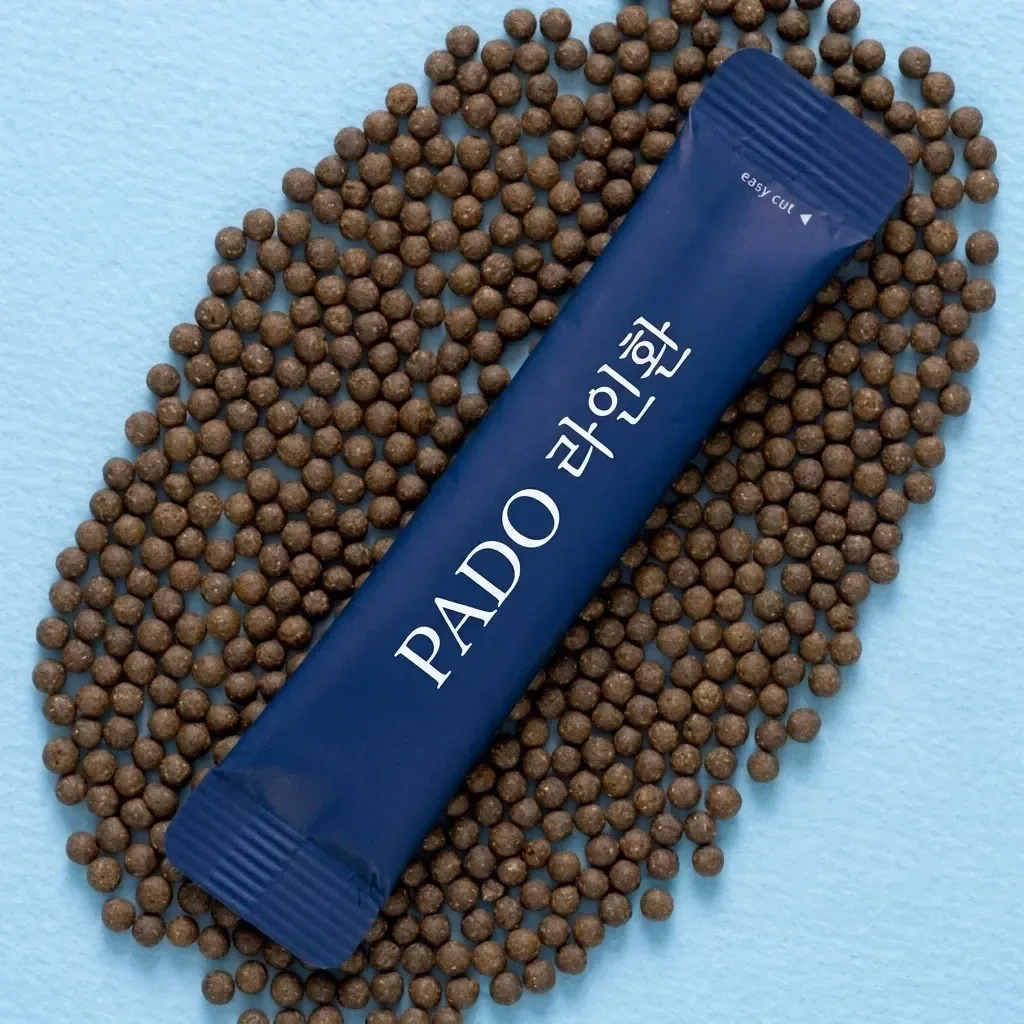
Weight-management herbal medicine (decoction + pills)

Decoctions are personalized prescriptions; pills are for easy daily use. We use both together as the basic approach.

02

Reducing swelling

When swelling is marked, we first reduce it with prescriptions suited for fluid retention to lessen the burden on the body.

03

Carbohydrate control & protein guidance

We guide you to reduce rice, bread and noodles to about half of usual and eat enough protein such as meat, fish, eggs and tofu.

04

Fat-dissolving pharmacopuncture

Used for local areas such as the chin, upper arms and abdomen. If you are overweight or obese, whole-body weight management is recommended first.

PROCESS

What a visit looks like

  1. STEP 01Consultation & body compositionWe check weight, body composition, eating habits, sleep, menstrual history, current medicines and conditions such as high blood pressure, heart or thyroid disease and glaucoma.
  2. STEP 02Constitution & swellingWe look at swelling, digestion and energy to decide the direction of the prescription.
  3. STEP 03Plan explanationWe explain the period (3 months as standard), goals, diet (carbohydrate control and protein) and how to take the medicine.
  4. STEP 04Taking & checkingWe check your response, adjust intensity and, when needed, review heart rate and lipid levels.
  5. STEP 05MaintenanceAfter you reach your goal, we guide eating habits and care methods to reduce regain.
Please note
  • Prescriptions containing ephedra (ephedrine) may cause palpitations, insomnia or a faster heart rate. Please tell us beforehand about high blood pressure, heart disease, arrhythmia, thyroid disease, glaucoma, pregnancy or breastfeeding, or any medicine you take.
  • Diet control (especially carbohydrate control) and daily activity should go together.
  • Treatment results and progress vary by individual.

FAQ

Frequently asked questions

How long does it take?

Losing weight too quickly makes regain more likely, so we plan around three months. You may also begin with a one-month trial.

Do I have to exercise?

Diet control is the core, and daily activity with light strength exercise helps preserve muscle. We suggest what fits your lifestyle.

Is pharmacopuncture alone enough?

It can be considered for local areas. If overall weight loss is needed, planning it together with a diet program works better.

Treatment results and progress vary by individual. This page provides general information and does not replace a medical consultation.