
Menopause

Menopause Care

We look at hot flushes, poor sleep, urinary discomfort and fatigue together with your constitution, and prepare herbal medicine and acupuncture that fit your symptoms.
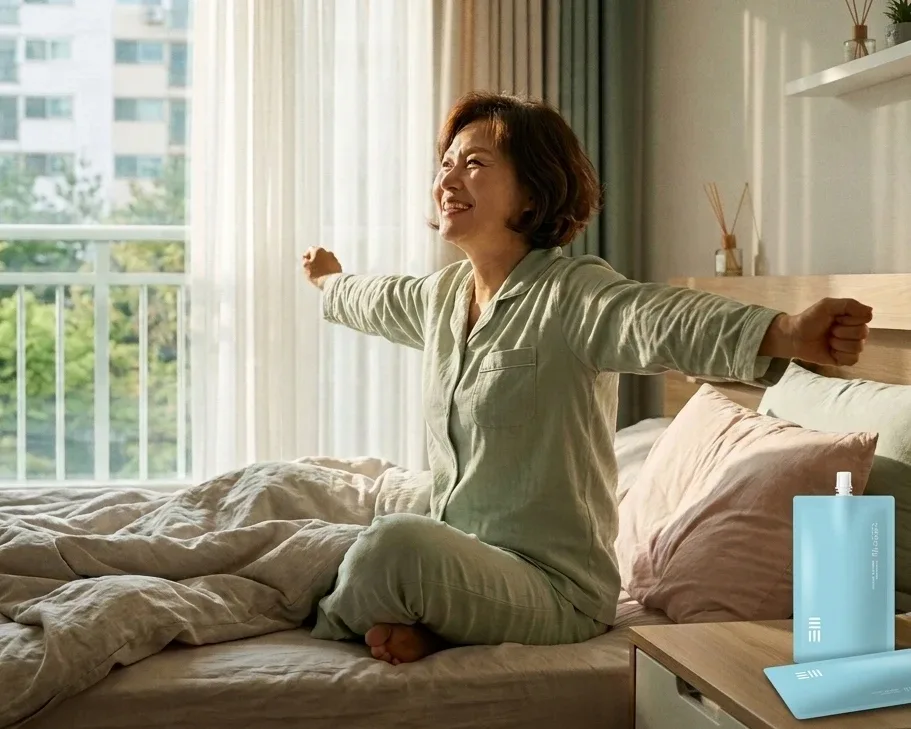
A relaxed woman stretching in the morning light

CHECK

This may be for you if…

  • Hot flushes, night sweats or sudden heat rising to the face
  • Trouble falling asleep or waking often
  • Urinary frequency or discomfort
  • Fatigue, low energy or mood changes
  • Those who want to continue other medication safely alongside care

UNDERSTAND

What changes in the body at menopause?

When estrogen falls, temperature control, sleep, the bladder and metabolism change together. That is why we look at the whole body instead of a single symptom.

156Pre-menopausal women followed for 4 years in a studyLovejoy 2008
32%Reduction in fat oxidation seen after menopauseObserved together with more visceral fat
60 y · 10 yRange where hormone therapy benefits are greater (under 60, or within 10 years of menopause)NAMS 2022
1,376People in a meta-analysis comparing acupuncture and hormone therapy (15 trials)He 2021
Vasomotor

Hot flushes · sweating · night sweats

Sudden heat and sweating, and shallow sleep at night. Poor sleep leads to daytime fatigue and irritability.

Urogenital

Urinary discomfort · dryness

Frequent or urgent urination and vaginal dryness can occur. They are easy to postpone because they are hard to talk about.

Metabolism · energy

Insomnia · persistent fatigue

Fatigue that rest does not relieve. It is a change in the body, not a matter of willpower.
APPROACH

How we treat

01

Personalized herbal medicine

Prescribed to your main discomfort among hot flushes, insomnia, sweating, urinary issues or fatigue, and your constitution. Please tell us about any medicine you take.

02

Jahage pharmacopuncture

Used at abdominal points (Cheonchu and Gihae) to help with low energy and menopausal symptoms.

03

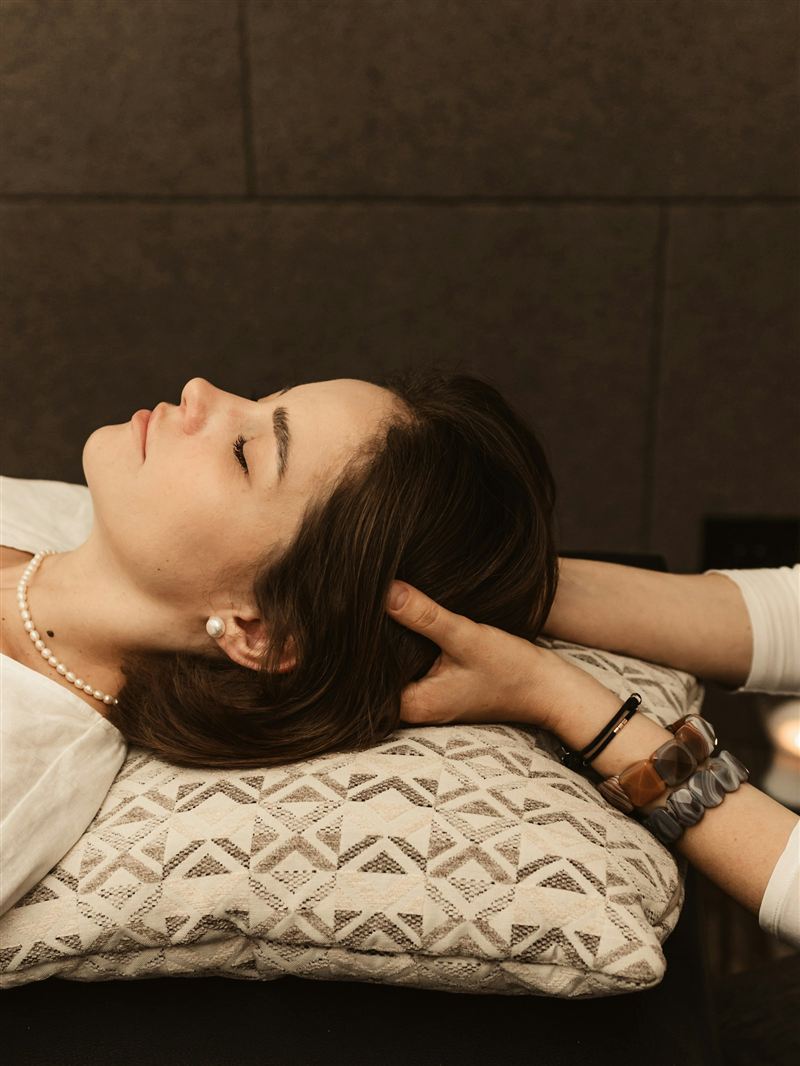
Craniosacral pharmacopuncture & relaxation chuna

Added for autonomic-nervous-system related discomfort such as shallow sleep, headache and dizziness.

04

Lifestyle guidance

Guidance on sleep time, protein and carbohydrate balance and strength exercise you can do every day.

PROCESS

What a visit looks like

  1. STEP 01InterviewWe check when symptoms started, the pattern of hot flushes and sleep, menstrual history and current medicines, including hormone therapy.
  2. STEP 02Abdomen, pulse & tongueWe examine the abdomen, pulse and tongue to understand your body’s balance and the source of discomfort.
  3. STEP 03Checking other causesIf thyroid, heart or anemia issues are suspected, we guide you to tests or other specialists.
  4. STEP 04Care planWe explain priorities, herbal medicine and pharmacopuncture options, duration and daily care.
  5. STEP 05Follow-upWe review symptom changes and adjust the prescription and plan.
Please note
  • Hormone therapy is a medical option decided with a doctor after assessing symptoms and personal risk. Please do not stop hormone medicine on your own; consult the prescribing doctor first.
  • Abnormal vaginal bleeding, chest pain, shortness of breath, severe palpitations, or swelling and pain in one leg need hospital care first.
  • Studies differ and individual responses vary, so we proceed in a personalized way while checking your condition.

FAQ

Frequently asked questions

At what age does menopause start?

It commonly appears around the late 40s to 50s, but varies. Some people notice changes during the transition period when periods become irregular.

I am taking hormone therapy. Can I take herbal medicine too?

Please tell us everything you take. Decisions about hormone therapy should be made with the prescribing doctor, and we plan your care around it.

Can I consult from far away?

Remote consultation is available. Contact us by phone or KakaoTalk, and we will send a consultation questionnaire for the doctor to review.

Treatment results and progress vary by individual. This page provides general information and does not replace a medical consultation.