
Surgery is not always the first step
If there are no urgent signs such as nerve weakness, conservative care while monitoring progress is an option. We read the imaging together with your symptoms.
Pain
For pain that lasts or keeps returning, such as disc problems, spinal stenosis and frozen shoulder, we look at the structure causing it first, then combine acupuncture, pharmacopuncture, needle-knife, thread therapy and manual spinal therapy.
CHECK
UNDERSTAND
“Intractable” describes pain that is slow to improve with standard care. The same diagnosis can come from different structures, so we look at why it hurts before where it hurts.
If there are no urgent signs such as nerve weakness, conservative care while monitoring progress is an option. We read the imaging together with your symptoms.
It often worsens when you arch your back and eases when you sit. Activity adjustment, physical therapy and Korean medicine are tried step by step and reassessed regularly.
In the painful early stage we calm inflammation; afterwards we continue treatment and exercise to regain movement.
APPROACH
Acupuncture is the basic treatment. Pharmacopuncture places herbal extracts at the painful area to help ease inflammation and support tissue recovery.
Releases adhesions in long-standing stiff fascia and tendons to widen the range of movement.
Absorbable threads help support weakened areas and tissue regeneration, usually planned as 3 to 5 sessions about a week apart.
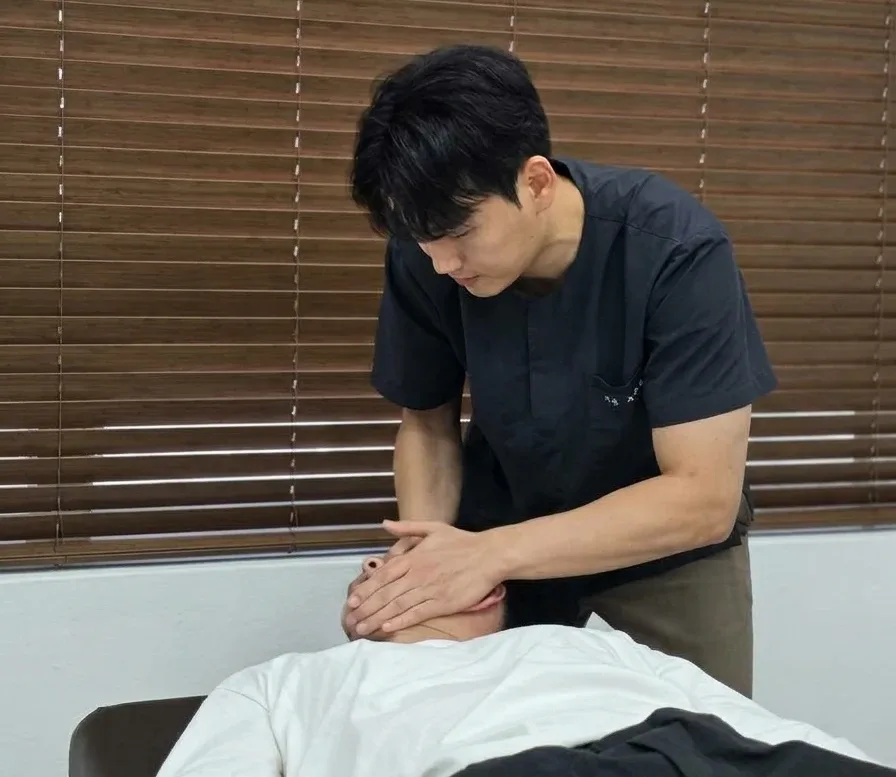
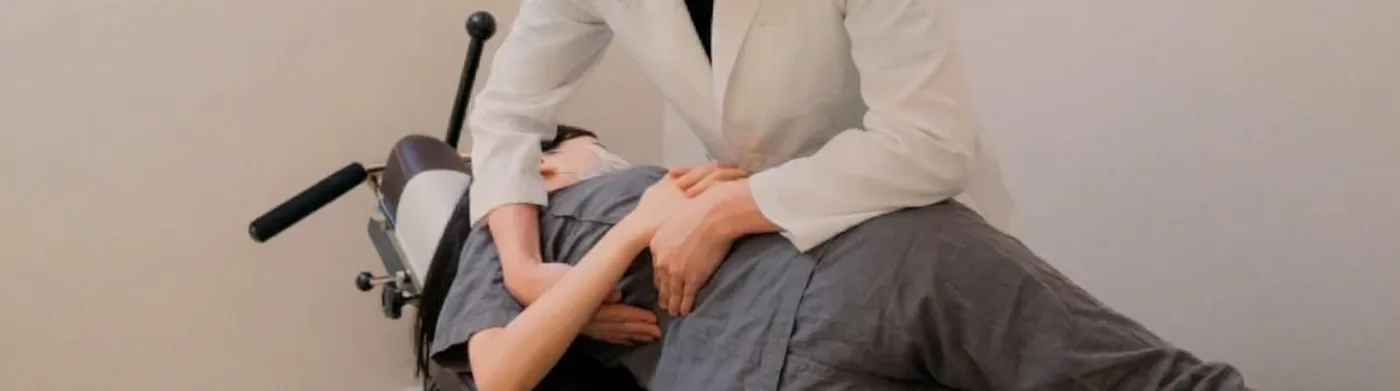
Improves the movement of the whole body rather than single segments, looking at the neck, back and pelvis together.
Balances the upper neck and jaw joint to address headache, dizziness and sleep issues linked to the autonomic nervous system.
Electrical therapy relaxes muscles, and cupping assists with tight or widespread aches.
PROCESS
FAQ
If there are no urgent signs such as leg weakness or bladder and bowel problems, conservative treatment can be tried first. We review your imaging and symptoms together, and refer you to a specialist when needed.
It depends on how long you have had the pain and which structure is involved. We explain the likely course at the first visit and adjust the plan after checking your response.
We use very fine needles and the intensity can be adjusted. For needle-knife treatment we explain the process and sensations beforehand.
Before & After →Trial offers →Hours & directions →
Treatment results and progress vary by individual. This page provides general information and does not replace a medical consultation.